Optimization Program
 EN
EN

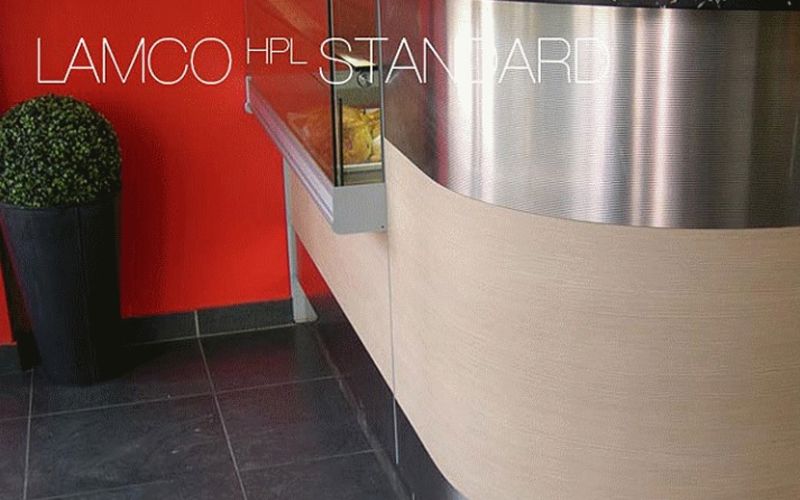
Lamicolor Metal HPL Laminate
Lamicolor Metal HPL Laminate is a high-pressure laminate
(HPL) surface solution produced by using real metal surfaces—such as
aluminum, bronze, and stainless steel—instead of decorative paper on the
surface layer. By combining the natural texture and surface character of metal
with HPL technology, it provides a technical and select surface approach for
furniture and interior applications.
To protect the metal surface during production, handling,
and transportation, the laminate is supplied with a protective foil covering.
This ensures protection against impacts, scratches, and surface damage.
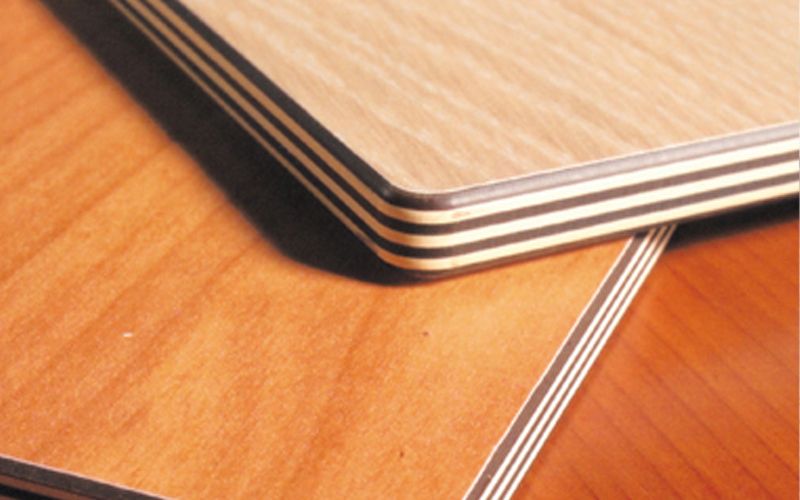
Lamicolor Metal HPL Laminate differs significantly from imitation
metal laminates or low-cost roll-formed metal products. It maintains strong
structural integrity, does not delaminate, and is resistant to moisture and
humidity, offering stable and long-term surface performance.
Key Advantages
- Real
metal surface HPL structure (aluminum, bronze, stainless steel, etc.)
- Strong
laminate structure resistant to delamination
- Moisture-
and humidity-resistant surface character
- Protective
foil applied during delivery
- Technical
and select appearance for furniture and interior surfaces
Processing and Application Notes
1) Balancing (Backer) Layer
For metal laminate applications, the use of a balancing
layer is required to maintain panel stability. The most appropriate
approach is to apply an equivalent metal laminate or suitable backer on the
reverse side.
Since metal backers can be costly, the company offers a brown
backer with a thickness of 0.8–0.9 mm as an economical alternative. Sample
testing must be carried out before production, and manufacturing should proceed
only after stable results are confirmed.
2) Press Temperature
Temperature control is critical when processing metal
laminates.
- Press
temperature must not exceed 50°C
- Lower
temperatures are recommended whenever possible
Excessive heat may negatively affect the metal surface
character and structural integrity.
3) Adhesive Selection and Cleanliness
Recommended adhesive types include:
- PVA
adhesives
- Fast
contact adhesives
For contact adhesive applications, Bondi Contact Adhesive
is recommended. Bondi Contact Adhesive has been reliably used for years in cold
and fast application processes.
Adhesives contaminated with dust or particles must not be
used. If unavoidable, the adhesive should be filtered to remove foreign
particles before application. Otherwise, embedded particles may cause surface
bumps and point defects on the laminate surface.
4) Press Surface
Irregularities on press plates may result in surface marks
and deformation. These risks can be minimized by using a protective sheet or
plate during pressing.
5) Pressure
Applied press pressure should be kept low.
- Do
not exceed 1.5–2 kg/cm².