Optimization Program
 EN
EN

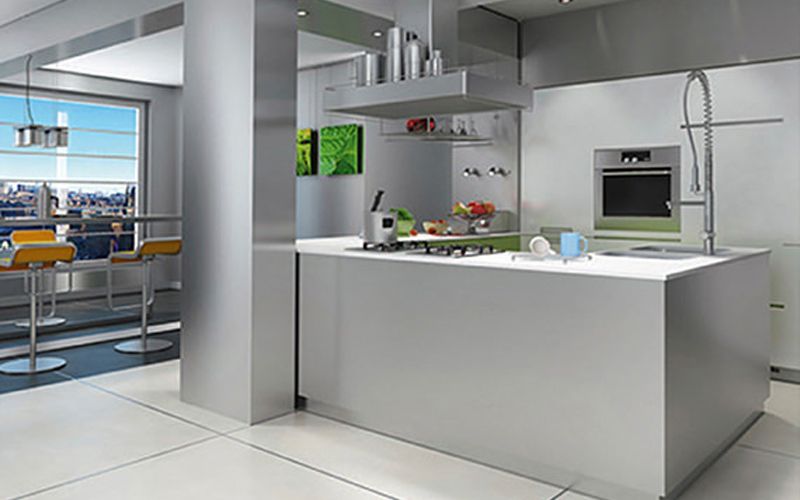
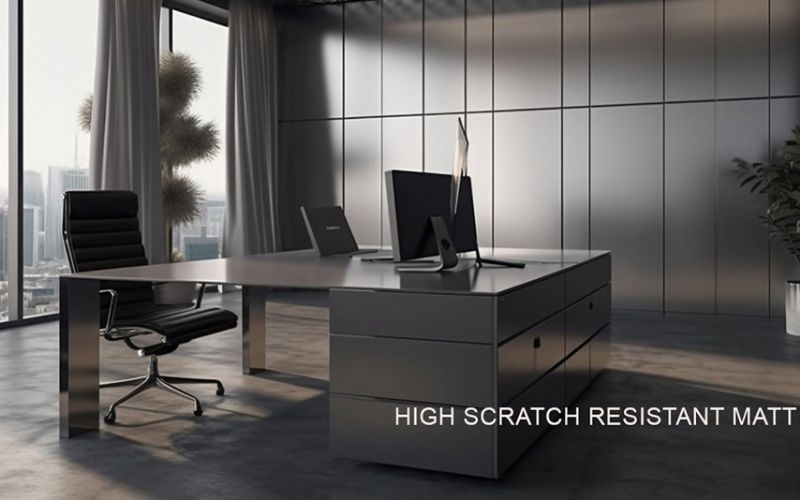
Starline Metal Laminates HPL
Starline Metal Laminates HPL is a high-pressure laminate
(HPL) cladding solution that delivers a genuine metal surface effect with a
satin (brushed) pattern. It brings the brushed texture and linear sheen of
metal to decorative surfaces, creating a modern, industrial, premium look for
furniture and interior applications. It is used by bonding onto substrates such
as MDF, particleboard, and similar panels, offering a durable surface
alternative for high-contact interior areas.
Key Advantages
- Genuine
metal look and feel with a satin (brushed) pattern
- Premium
surface impact for modern/industrial designs
- Fast
application by bonding onto MDF/particleboard-type substrates
- Strong
decorative results for counters, wall/column cladding, and furniture
surfaces
Applications
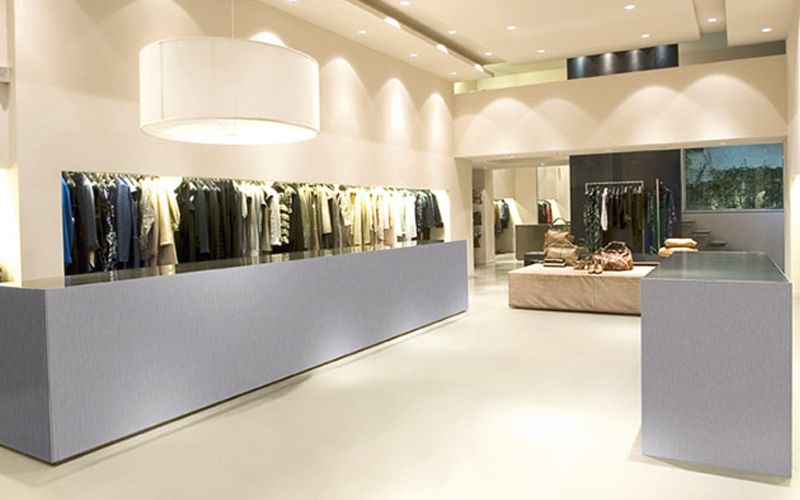
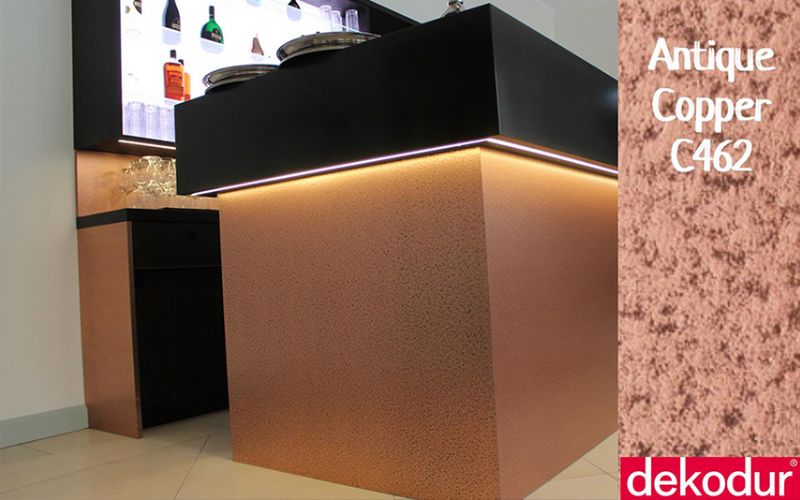
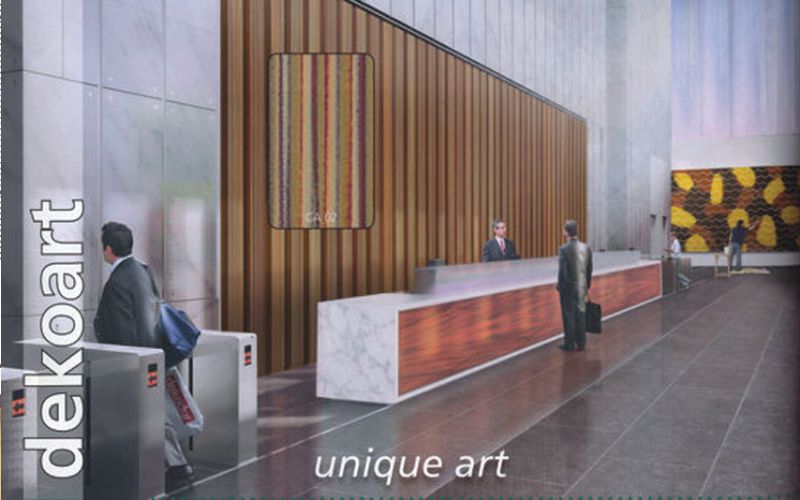
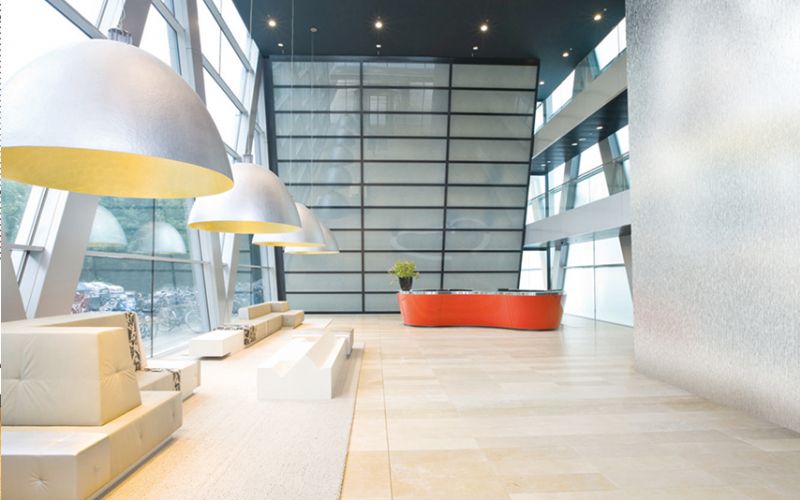
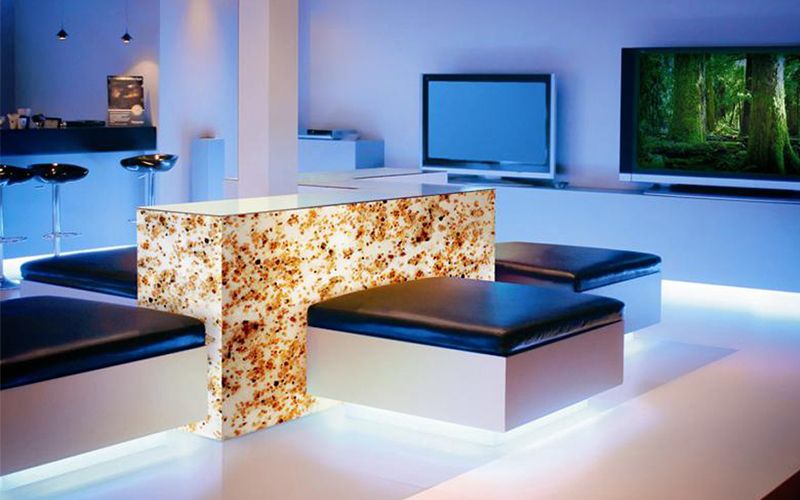
- Counters
and reception desks
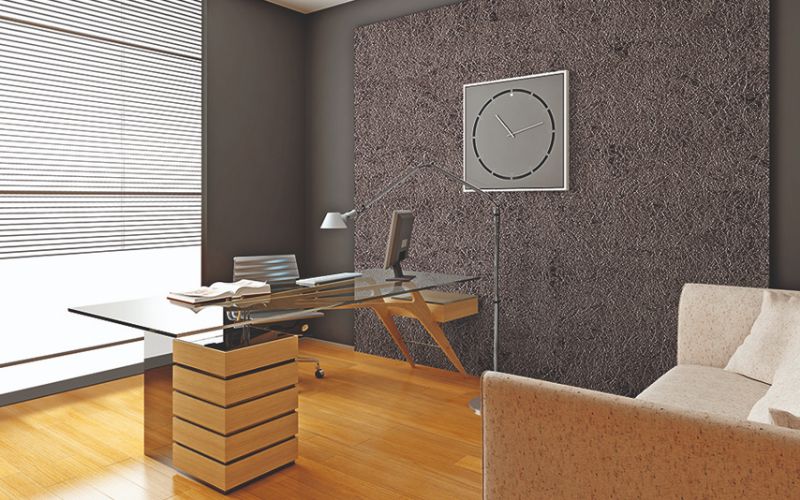
- Wall
and column cladding
- Office
furniture, meeting and common areas
- Hotel
interiors (lobbies, corridors, in-room furniture)
- Retail/store
furniture, showcases and display units
- Kitchen
and home furniture (doors, panels, carcass cladding)
- Exhibition
stands and showroom applications
Technical Specifications
- Product
type: HPL Metal Laminate
- Surface:
Satin (brushed) patterned metal effect/texture
- Application:
Bonding onto MDF, particleboard, etc.
- Use:
Interior applications
Processing and Application Notes
1) Balancing (Backer) Layer
For metal/mirror-effect laminates, a balancing layer is
required to maintain panel stability. The ideal approach is to use an
equivalent laminate/backer on the reverse side.
If an economical alternative such as a 0.8–0.9 mm brown backer is used, run a
sample trial before production; proceed to manufacturing only after stable
results are confirmed.
2) Press Temperature
Temperature control is critical with conventional presses.
The press temperature should not exceed 50°C; whenever possible, work at lower
temperatures.
3) Adhesive Selection and Cleanliness
Recommended adhesive types: PVA and fast contact adhesives.
Do not use adhesives contaminated with dust/particles. If unavoidable,
filter/sieve the adhesive to remove foreign particles before application.
Otherwise, embedded particles may cause point defects and blister-like marks on
the laminate surface.
4) Press Plates and Protective Sheet
Defects on press plates can transfer as surface marks and
deformation. Using a protective sheet/plate improves surface quality.
5) Pressure
Keep applied pressure low. Do not exceed 1.5–2 kg/cm².