Optimization Program
 EN
EN

Mirror Efect Metal Laminates HPL
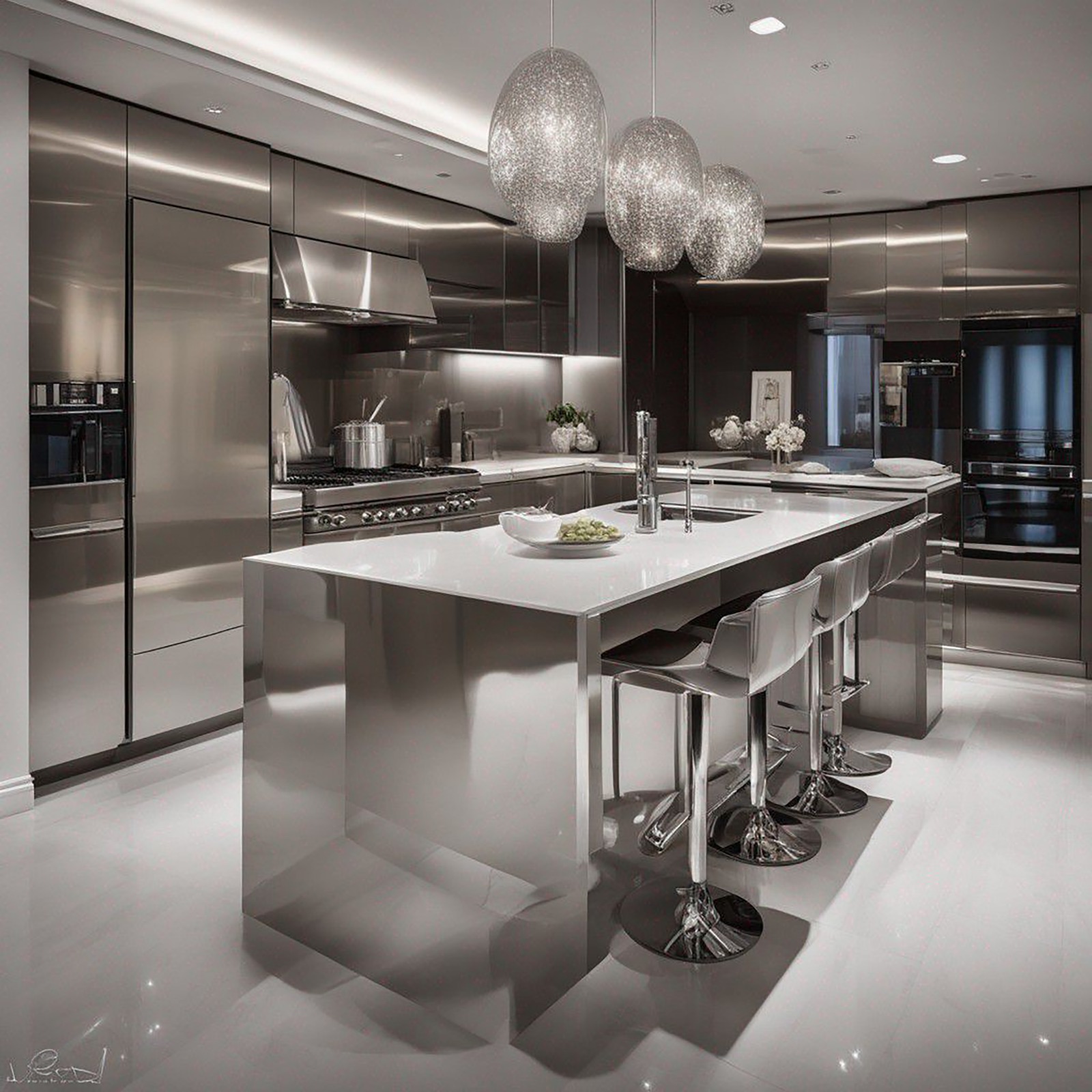
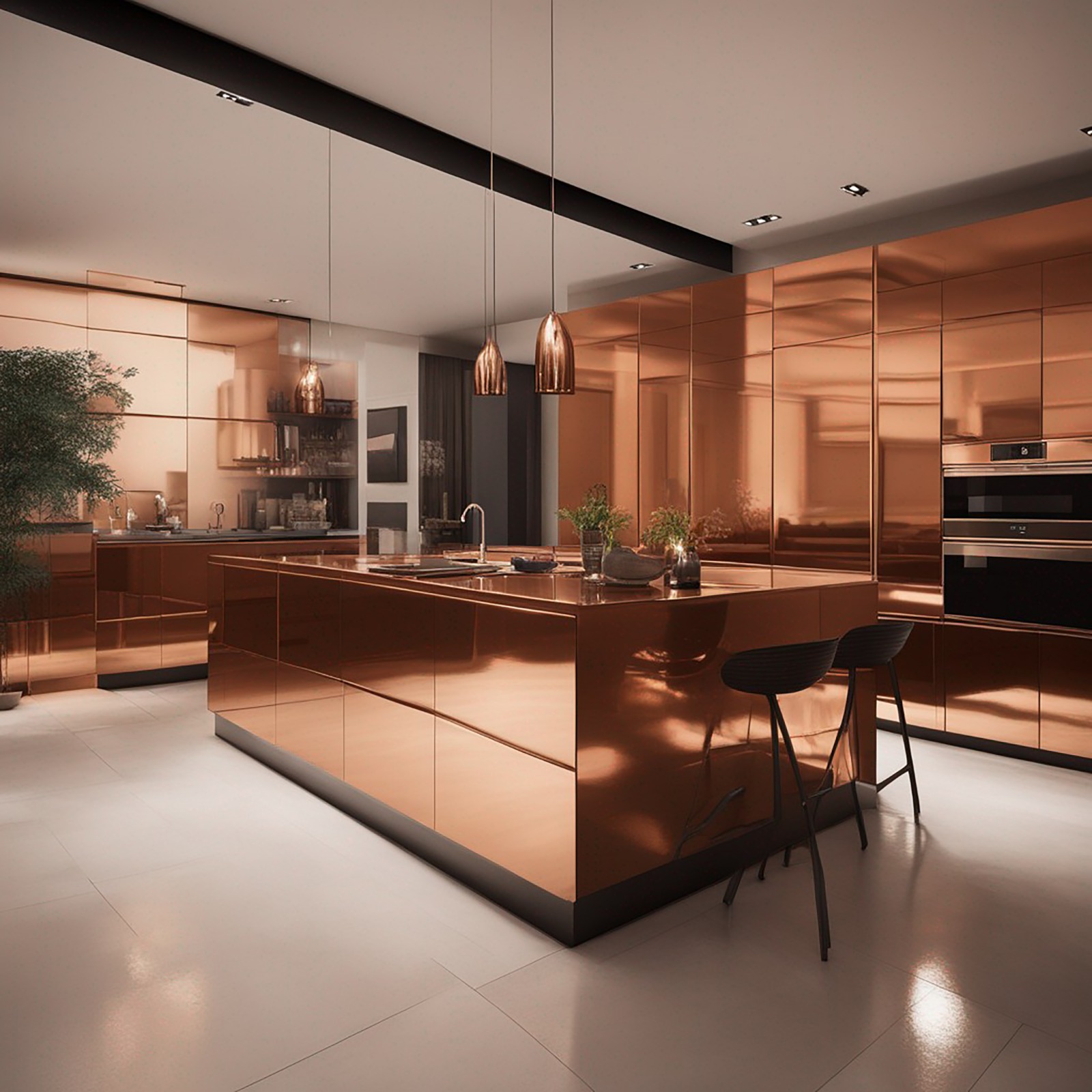
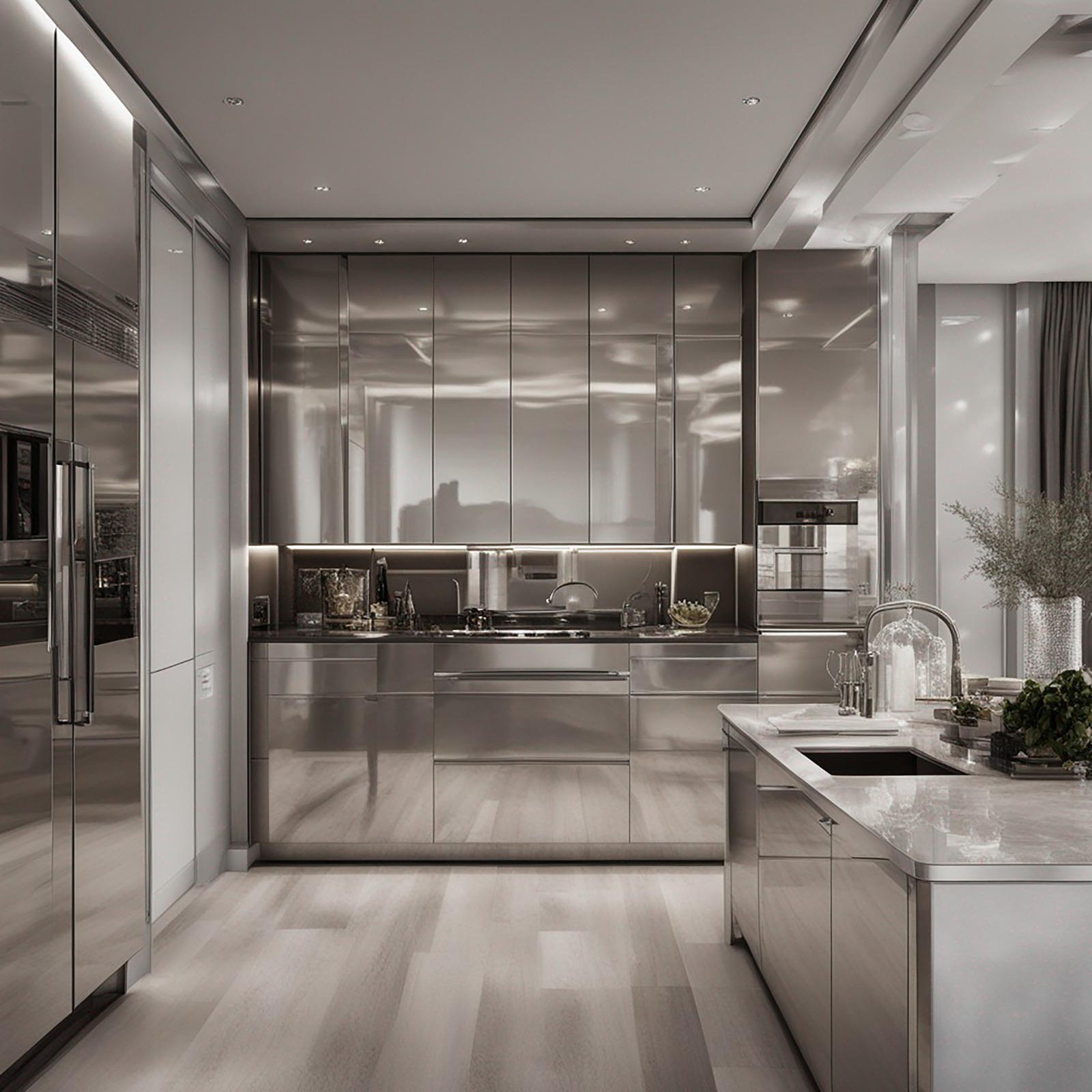
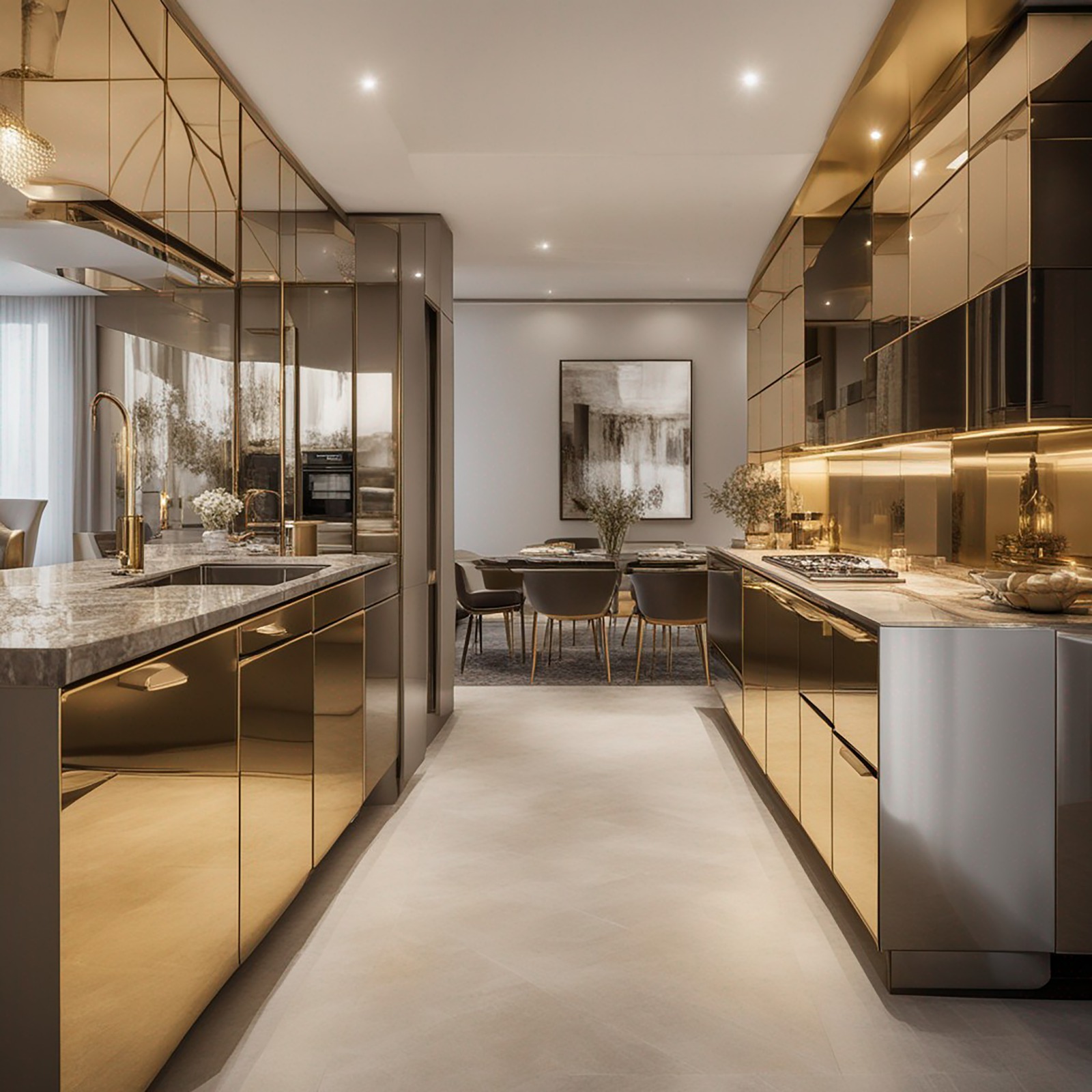
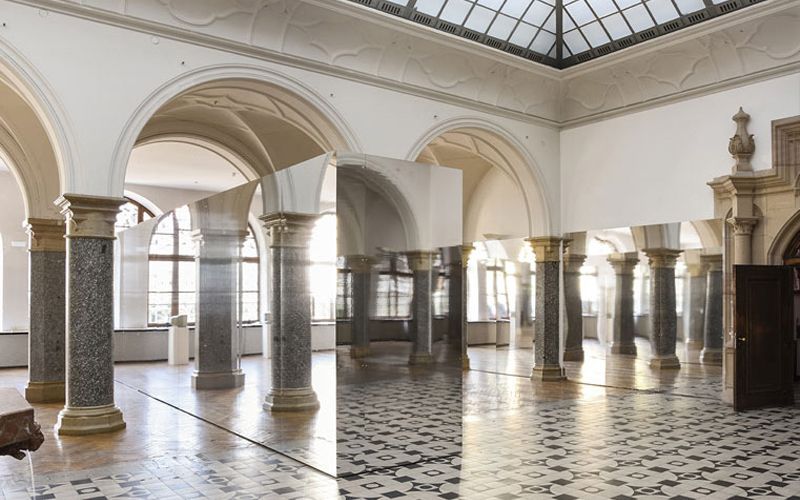
Dekodur Mirror Laminates HPL is a high-pressure laminate
(HPL) surface solution with a glossy metallic mirror effect. Compared to float glass
mirrors, it offers a lighter-weight approach that is easier to handle; when
applied correctly, it delivers a strong mirror-like reflection. It is used by
bonding onto substrates such as MDF, particleboard, and similar panels for
furniture and interior surface applications. It is designed to remain
dimensionally stable against bending and expansion, and to resist discoloration
and moisture-related deformation.
Key Advantages
- Premium
decorative surface with mirror-effect metallic appearance
- Lighter
solution approach than glass mirrors
- Fast
application by bonding onto MDF/particleboard-type substrates
- Strong
design impact for reception desks, wall/column cladding, and furniture
surfaces
Applications
- Suspended
ceilings
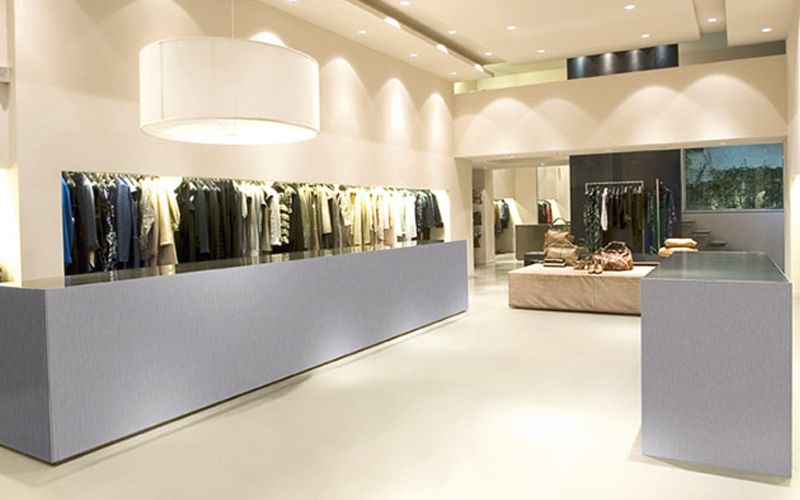
- Counters
and reception desks
- Wall
and column cladding
- Office
furniture and meeting areas
- Hotel
rooms, entrances, and foyer areas
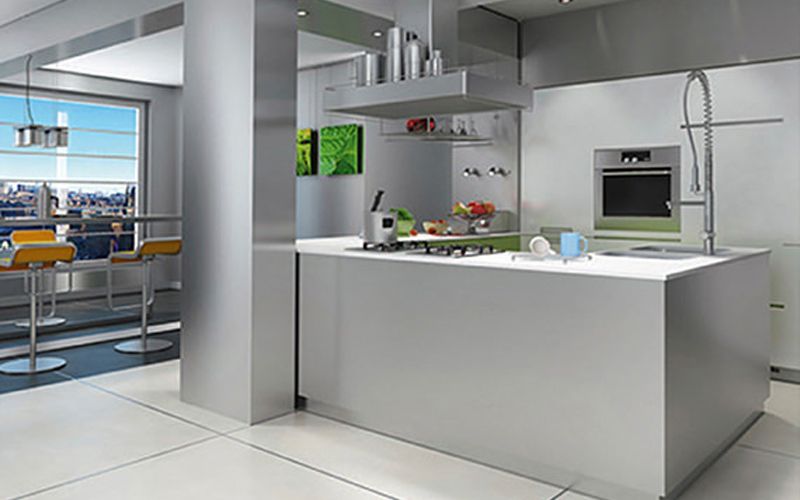
- Kitchen
furniture and home furniture
- Retail/store
furniture, showcases, and display units
Technical Specifications
- Size:
2440 × 1220 mm
- Size:
3050 × 1220 mm
- Thickness:
0.9 mm
Processing and Application Notes
1) Balancing (Backer) Layer
For metal/mirror-effect laminates, a balancing layer is
required to maintain panel stability. The ideal approach is to use an
equivalent laminate/backer on the reverse side.
If an economical alternative such as a 0.8–0.9 mm brown backer is used, run a
sample trial before production; proceed to manufacturing only after stable
results are confirmed.
2) Press Temperature
Temperature control is critical with conventional presses.
The press temperature should not exceed 50°C; whenever possible, work at lower
temperatures.
3) Adhesive Selection and Cleanliness
Recommended adhesive types: PVA and fast contact adhesives.
Do not use adhesives contaminated with dust/particles. If unavoidable,
filter/sieve the adhesive to remove foreign particles before application.
Otherwise, embedded particles may cause point defects and blister-like marks on
the laminate surface.
4) Press Plates and Protective Sheet
Defects on press plates can transfer as surface marks and
deformation. Using a protective sheet/plate improves surface quality.
5) Pressure
Keep applied pressure low. Do not exceed 1.5–2 kg/cm².