Optimization Program
 EN
EN

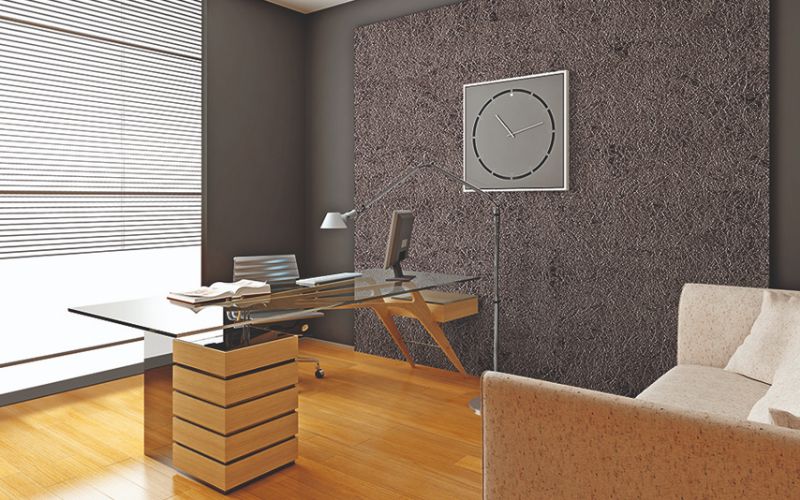
Rustic Metal Laminates HPL (Dekoral Rustikal – Tin)
Rustic Metal Laminates HPL is a decorative HPL surface
cladding range that delivers a tin-alloy metal surface effect in HPL format.
Tin has been chosen as a decorative metal for centuries. The Dekoral Rustikal
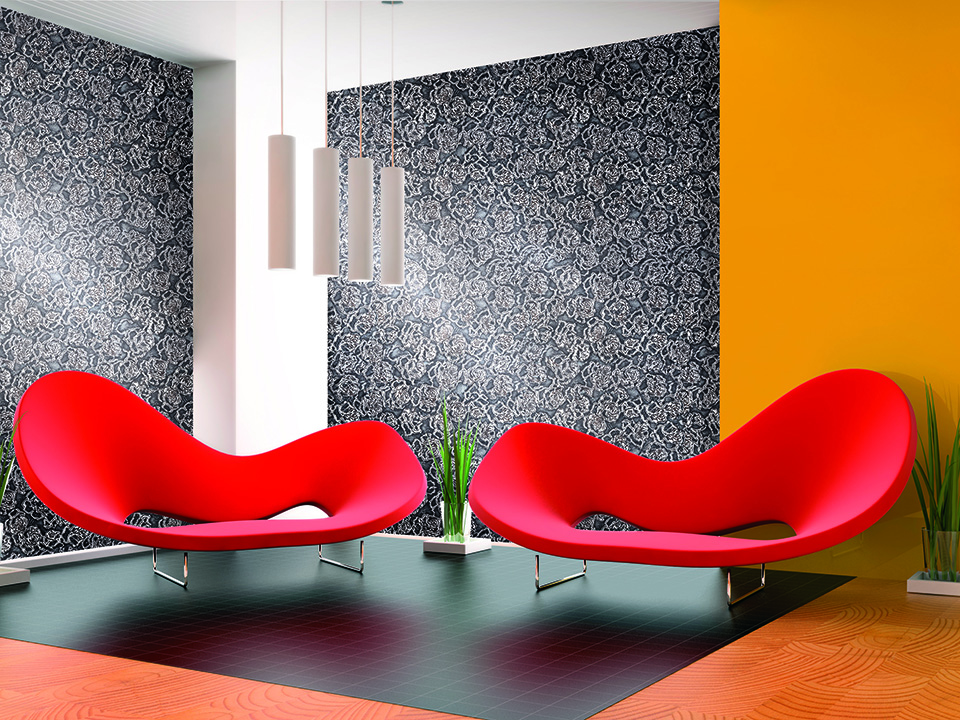
series combines a bright silvery metal tone with a black shadow effect to
create a deeper, more defined, rustic surface language. It is used in interior
projects where a metal look is required on walls, furniture, and architectural
surfaces.
Key Advantages
- Series
approach that brings a tin-alloy metal look to an HPL surface
- Depth
effect created by combining a bright silvery tone with black shadowing
- Rustic
character: a surface language close to a lived-in metal appearance
- Decorative
alternative for metal-effect surfaces on walls, columns, and furniture
- Applicable
by bonding onto substrates such as MDF, particleboard, and plywood
Surface Effect and Appearance
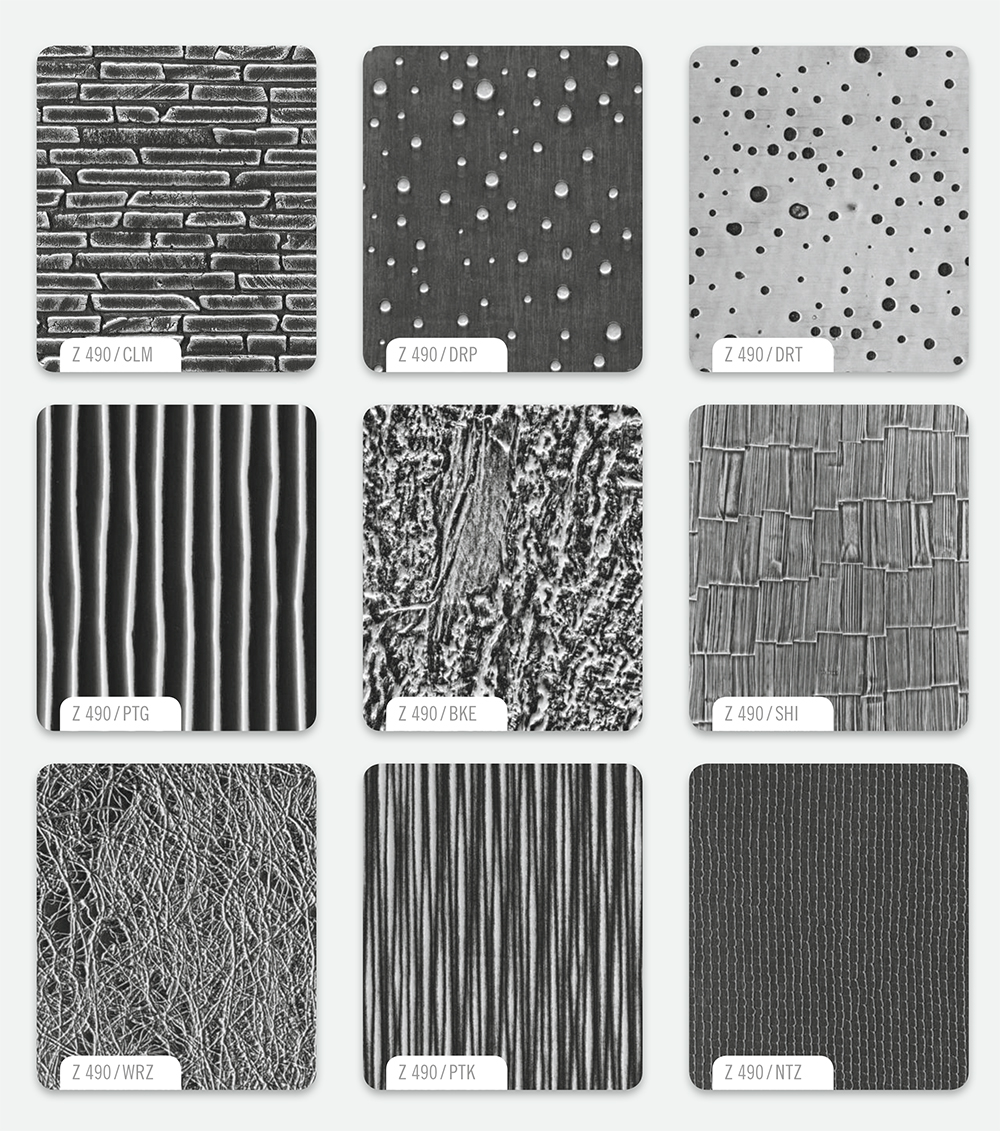
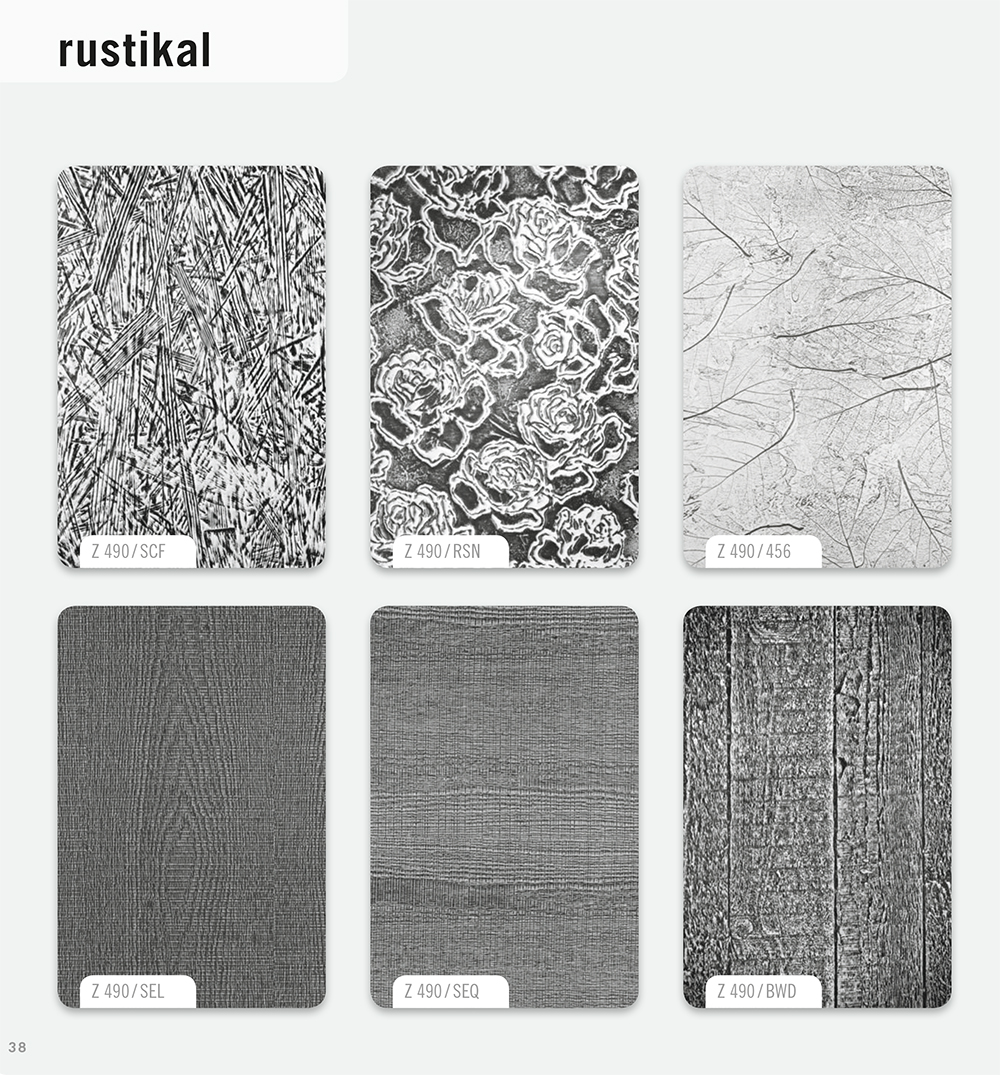
The core character of the Dekoral Rustikal series is the
creation of a “contrasted metal” look by balancing silvery metal brightness
with black shadowing on the surface. This approach provides a stronger texture
perception, a more pronounced light–shadow effect, and a warmer rustic
expression compared to flat metal looks.
Applications
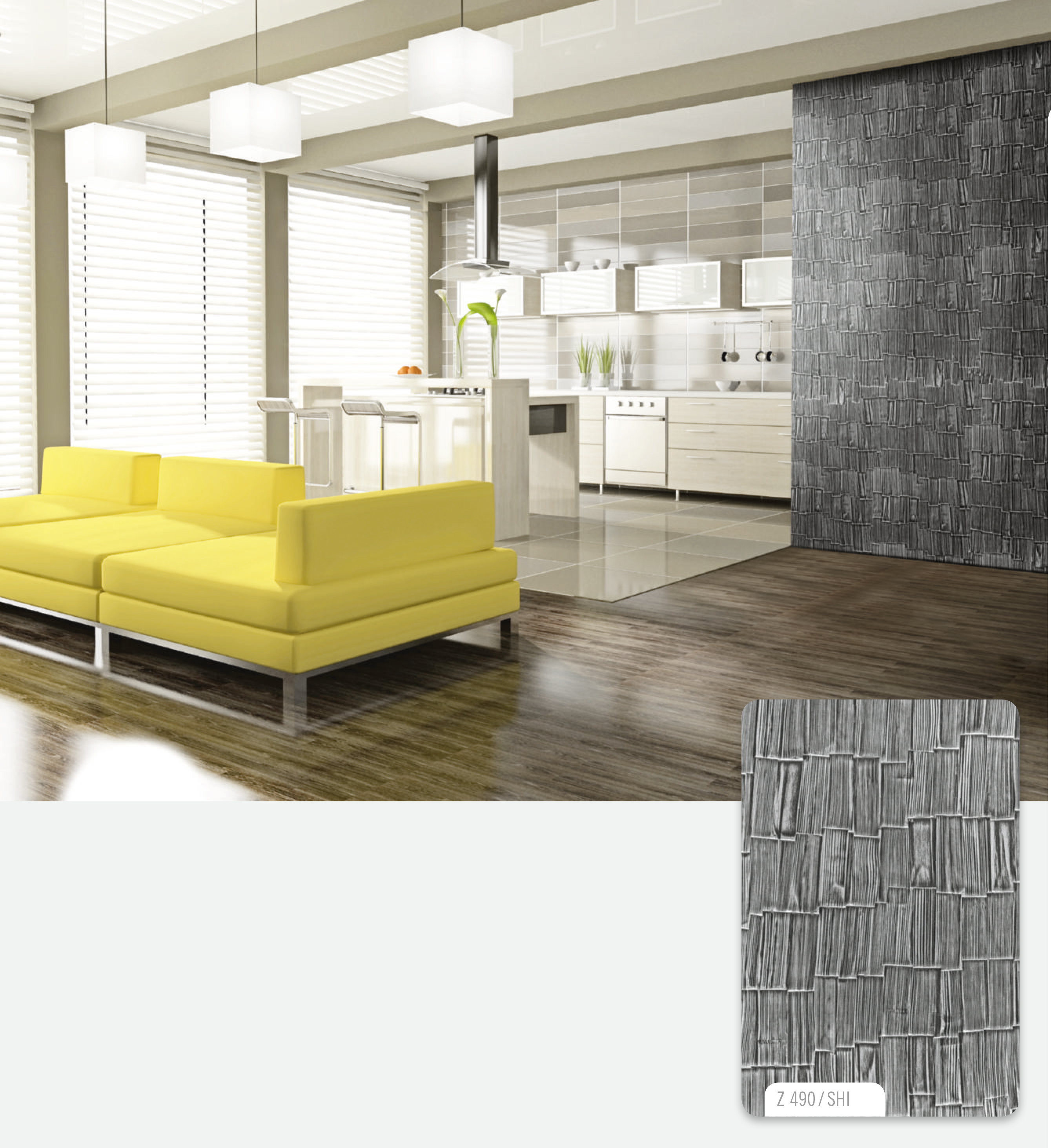
- Wall
and column cladding
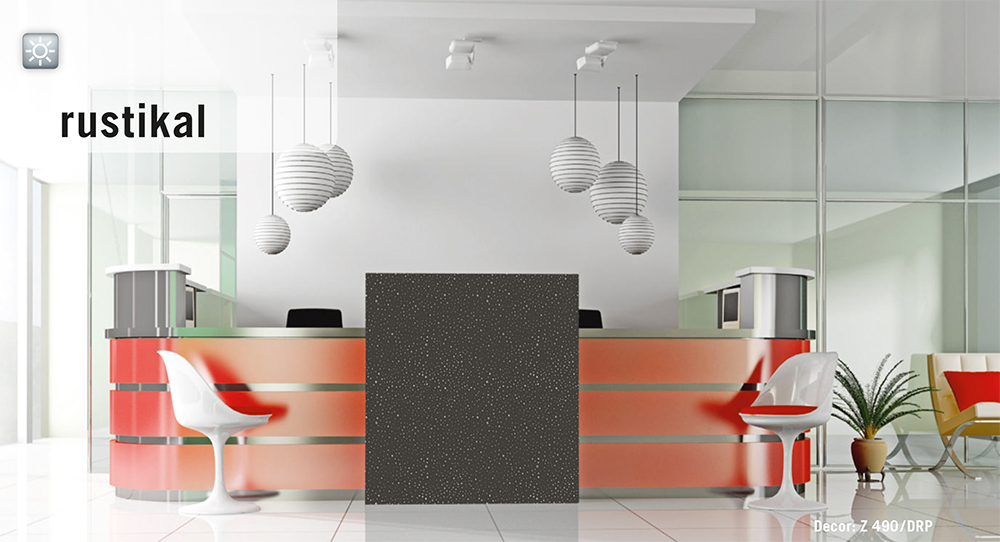
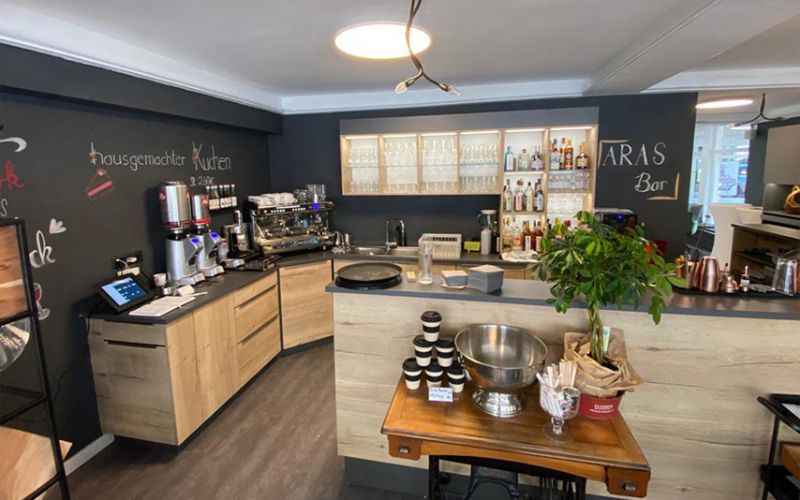
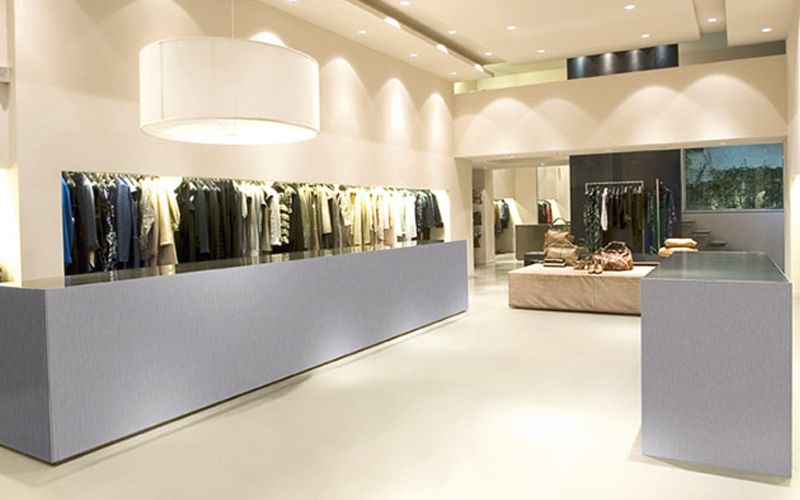
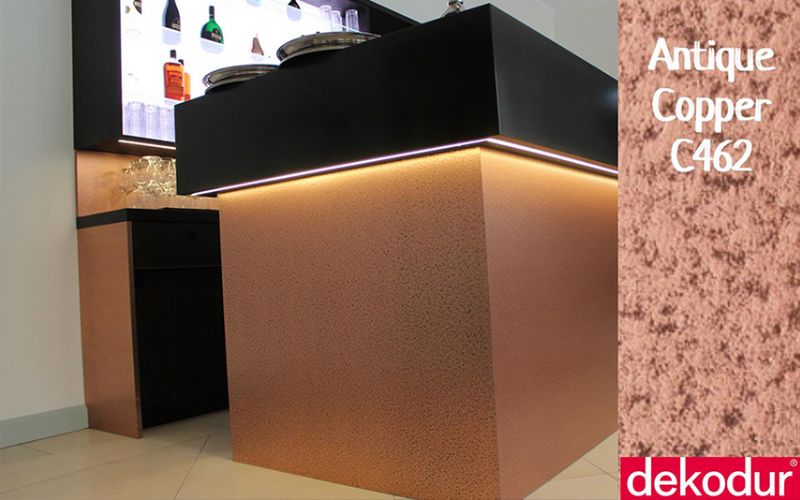
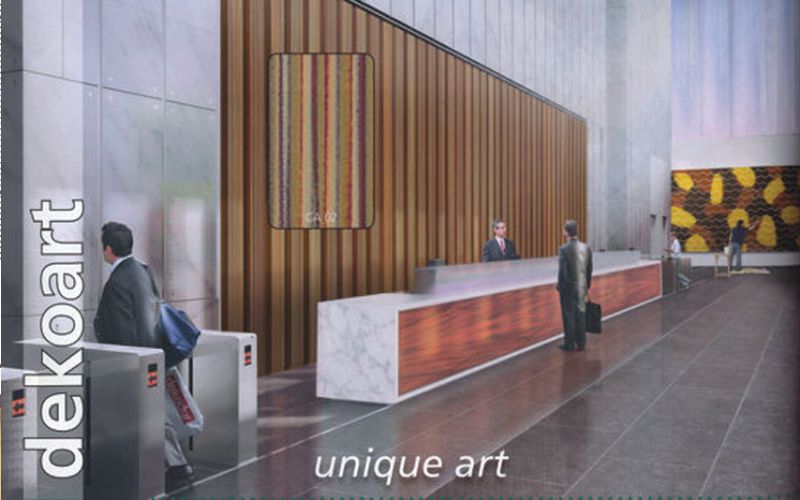
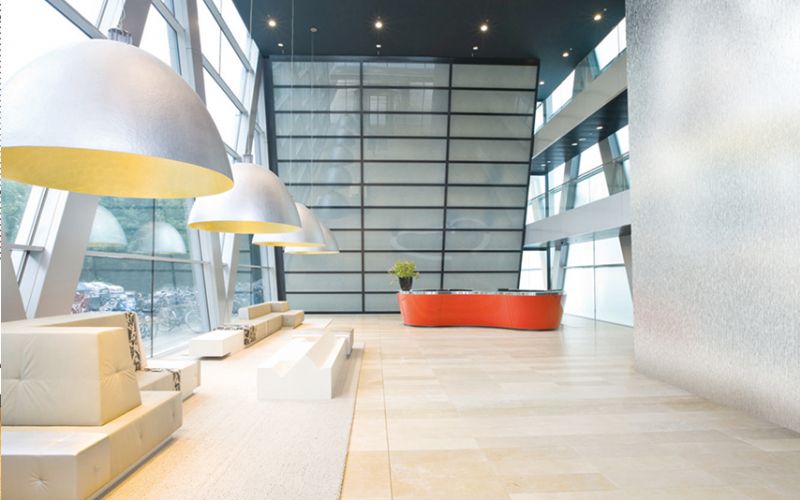
- Counters,
reception areas, and back-wall surfaces behind bars
- Retail
interiors, showcases, and display units
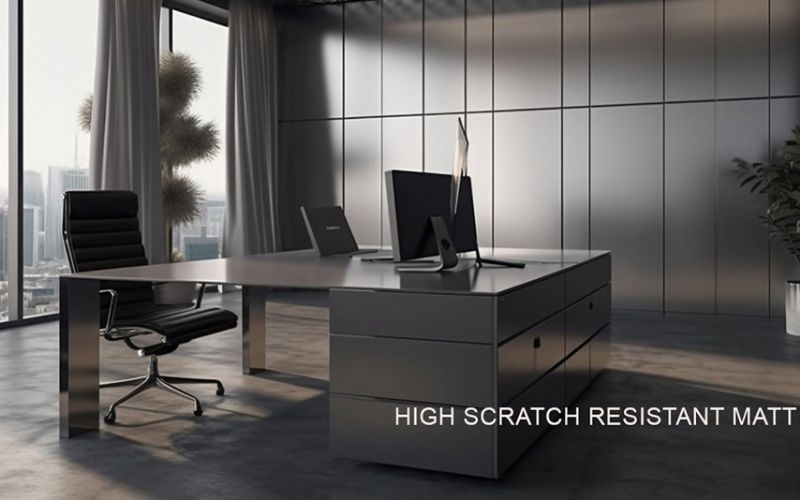
- Furniture
surfaces (doors, panels, decorative surfaces)
- Hotel,
restaurant, and café interior applications
- Showrooms
and exhibition stands
Technical Specifications (Fields for the Page)
- Product
type: Metal-effect HPL (Tin – Rustic series)
- Surface:
Silvery metal tone + black shadow effect
- Application:
Bonding onto substrates such as MDF, particleboard, plywood, etc.
- Use:
Interior applications
Processing and Application Notes
- Balancing
(Backer) Layer
For metal-effect laminates, an equivalent balancing laminate/backer on the reverse side is required for panel stability. - Press
Temperature
Press temperature should be controlled. Excessive heat on metal-effect surfaces may negatively affect surface character. - Adhesive
Selection and Cleanliness
Do not use adhesives contaminated with dust/particles. Foreign particles may cause point defects on the surface. - Press
Surface
Press plates must be clean and even. Potential sources of surface marking should be eliminated.